7 2234 8790 KM
There are estates that go beyond the simple framework of the vine to become symbols, almost manifestos. Domaine Lapierre, nestled in Villié-Morgon in the heart of Beaujolais, is one of them. More than a place where vines are cultivated and wine is made, it embodies the French cradle of natural wine and a certain philosophy of respecting nature and simplicity as a quest for excellence. Through more than a century of history, passionate generations, patiently worked soils, and bold experiments, it has established itself as one of the beacons of the natural wine movement.
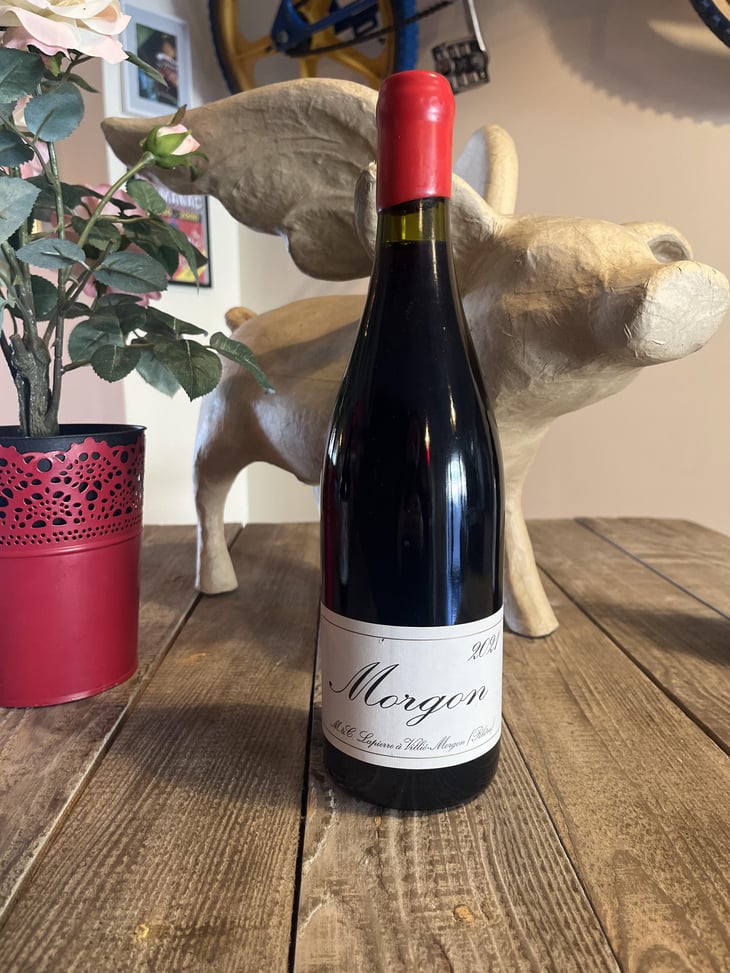
To drink a glass of Morgon Lapierre is to open a book that intertwines family memory, ancient geology, peasant rigor, and Dionysian joy. The breath of a freedom that has never been afraid to shake up the codes.
In 1909, Michel Lapierre, a farmer, moved to Villié-Morgon with his wife Annette. Little did he know that this choice would be the starting point of a family saga destined to mark the history of wine. Michel then worked as cellar master at Domaine des Chênes, the future headquarters of the current estate. In 1911, their son Camille was born: the first child of the family to see the light of day on this Beaujolais land.
At a very young age, at 14, Camille digs his hands into the soil. With his parents, he cultivates the vines the old-fashioned way, using a plow, sometimes on horseback, without modern artifice. In 1930, Michel passes away, leaving Camille with the difficult task of continuing. War, deprivation, the weight of time: nothing spares this young man. But he retains a visionary intuition. While everyone else sends their wine to the cooperative, he dreams of selling directly, in barrels, in Lyon and Mâcon. This audacity already heralds the Lapierre spirit: not following the beaten track, but inventing his own path, following his instincts.
In 1950, Camille and Lucienne welcomed a son: Marcel. Eight years later, Camille began bottling his wine under his own name. Another pioneering idea for the time! In 1960, he purchased new vines, increasing the estate to 7 hectares.
In 1973, Marcel took over the estate. He inherited a loyal clientele forged by his father. But he would soon explode the boundaries of what was possible. His destiny changed in the early 1980s, when he met Jules Chauvet, a researcher, merchant, taster, and wine thinker. Chauvet shared with him an innovative vision: restoring the central role of indigenous yeasts, the soil, and microbiology. Vinifying without sulfur or additives, rediscovering the true taste of the grape.
Marcel was seduced. In 1981, he took the plunge: SO₂-free winemaking, biodynamic farming, and respect for living things. At the time, these choices seemed marginal, even insane. But Marcel, a great reader, discreet intellectual, and born teacher, stuck to them. His meeting with Marie in 1980 sealed his adventure: she would become his wife, his unwavering support, his double in the winery and in the vineyard.
For three decades, Marcel Lapierre imposed his conviction. He understood that natural wine was not just a consumer product, but a living relationship between the soil, the climate, the grape variety, and people. His Morgons exude freedom, burst with fruit, reconciling immediate pleasure and depth. Quickly, his name crossed borders. Marcel became a master of sulfur-free wine, of natural wine , a benchmark for an entire generation of winemakers.
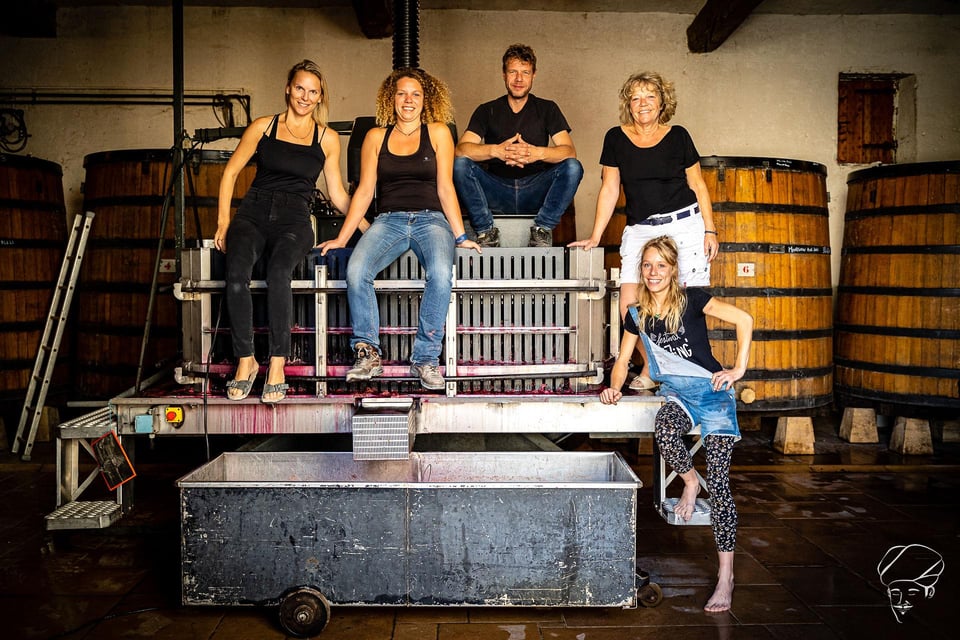
In 2010, Marcel passed away prematurely. The news shook the world of natural wine: a pioneer had passed away. But the flame never faded. As early as 2004, his son Mathieu had already begun working alongside him. Passionate about gastronomy and keen on history and science, he brought his curiosity and rigor to the estate. In 2013, his sister Camille joined them after an international career. She distinguished herself through her social and environmental commitment, but above all through her precision and intuition in the winery.
Together, they perpetuate Marcel's spirit: tilling the soil, hand-harvesting, vinification without additives, and patient aging. The estate now covers 18 hectares, part of which is on the legendary Côte du Py. The energy remains intact, and the vintages continue to delight wine lovers from around the world.
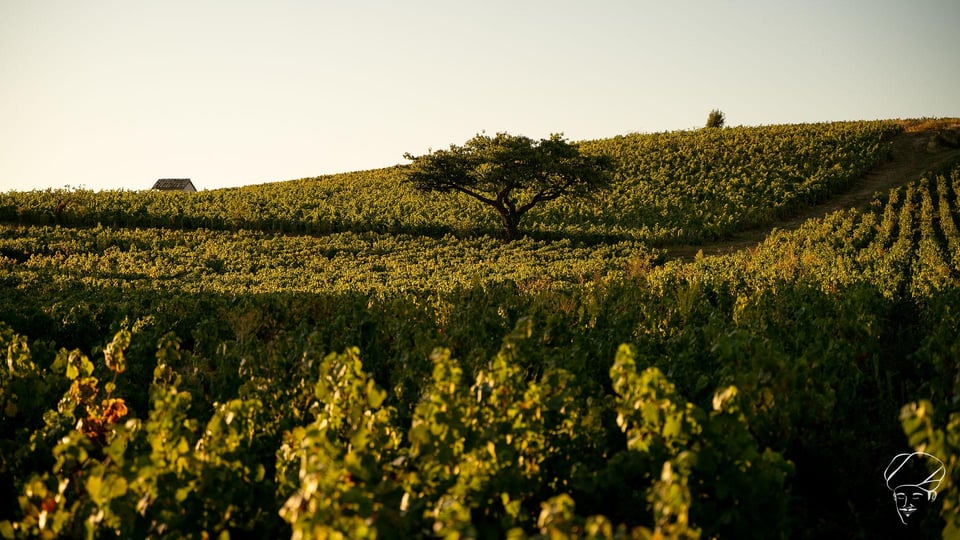
Beaujolais, and Morgon in particular, owe nothing to chance. Their geological history is extraordinary. More than 500 million years ago, a titanic collision between continents and intense volcanic activity shaped a unique landscape. The granite and schist rocks transformed and slowly eroded, giving rise to a specific sand called "gore." This poor, acidic texture is ideal for Gamay, the region's king grape variety.
Morgon is distinguished by its " rotten rock " soils, resulting from the decomposition of eruptive rocks. On the Côte du Py, blue granite produces concentrated, deep wines with great ageing potential. Each locality: Corcelette, Grand Cras, Les Charmes or Les Micouds leaves its mark.
Gamay Noir à Jus Blanc, an ancient cross between Gouais and Pinot Noir, is the beating heart of Beaujolais. Long unloved and sometimes considered rustic, it finds its ideal setting in Morgon. Solid and generous, it nevertheless knows how to produce wines of astonishing finesse when grown on poor, stony soils.
At Domaine Lapierre, goblet pruning and planting density (10,000 vines/ha) force the vines to excel. The grapes are harvested by hand. Gamay then becomes the instrument of pairings combining freshness and suppleness.
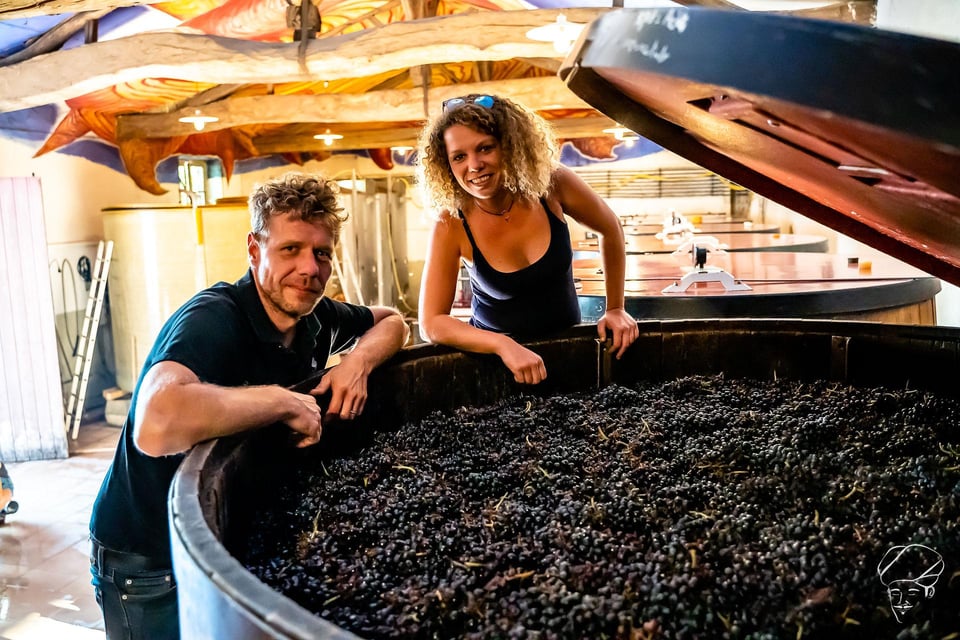
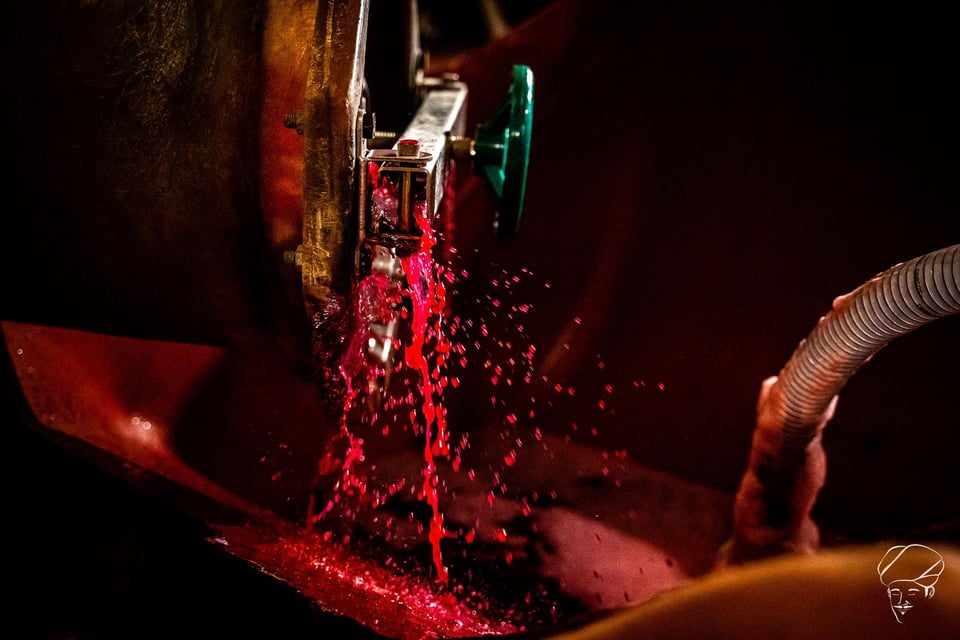
At Lapierre, the harvest is done exclusively by hand. The grapes, picked in crates, are carefully sorted. Chilled if necessary, they are vatted whole, promoting carbonic maceration. In this CO₂-saturated atmosphere, enzymatic activity transforms the berry from the inside out, releasing colors and aromas even before fermentation.
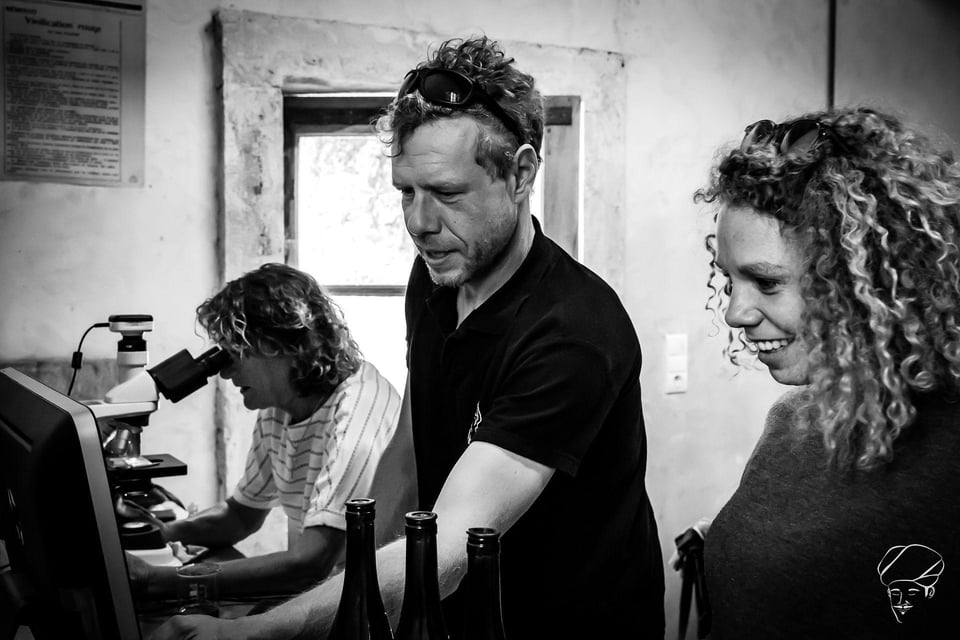
Indigenous yeasts then take over. No commercial yeast, no additives: just nature. Fermentations are monitored under a microscope and tasted daily. Aging takes place in old barrels or tuns, never new, so as not to mask the fruit. Time does its work: a minimum of 9 months, sometimes longer.
Bottlings vary: some vintages are sulfur-free, others lightly sulfited for travel. But there's never any harsh filtration, never any cosmetics. The wine remains alive and vibrant.
Marcel Lapierre was a pioneer, but his legacy extends beyond his own domain. He inspired a whole generation of winemakers: Jean Foillard , Jean-Paul Thévenet , Guy Breton , among others. With them, he formed the famous " gang of four " who restored the nobility of Beaujolais .
Today, the name Lapierre evokes a promise: that of a sincere, unadorned wine, capable of moving the neophyte as well as the enlightened connoisseur. Guy Debord wrote: " I know of no disappointment that can resist a Morgon from Marcel Lapierre ." These words still resonate.
Over the course of more than a hundred years, Domaine Lapierre has endured wars, crises, bereavements, and rebirths. But it has always maintained the same course: that of humanity, soil, climate, and grape variety.
Today, enjoying a glass of Morgon Lapierre means tasting this freedom. It also means sharing the idea that wine, when respected, becomes more than a beverage: it's an art of living, a joyful celebration.
Photo credit: Loïc Terrier.
No white wines at the moment.
No rose wines at the moment.
No orange wines at the moment.
No sparkling wines at the moment.
FIND THE EVENT YOU ATTEND

Saturday January 31 - Sunday February 01
Angers
6363 KM
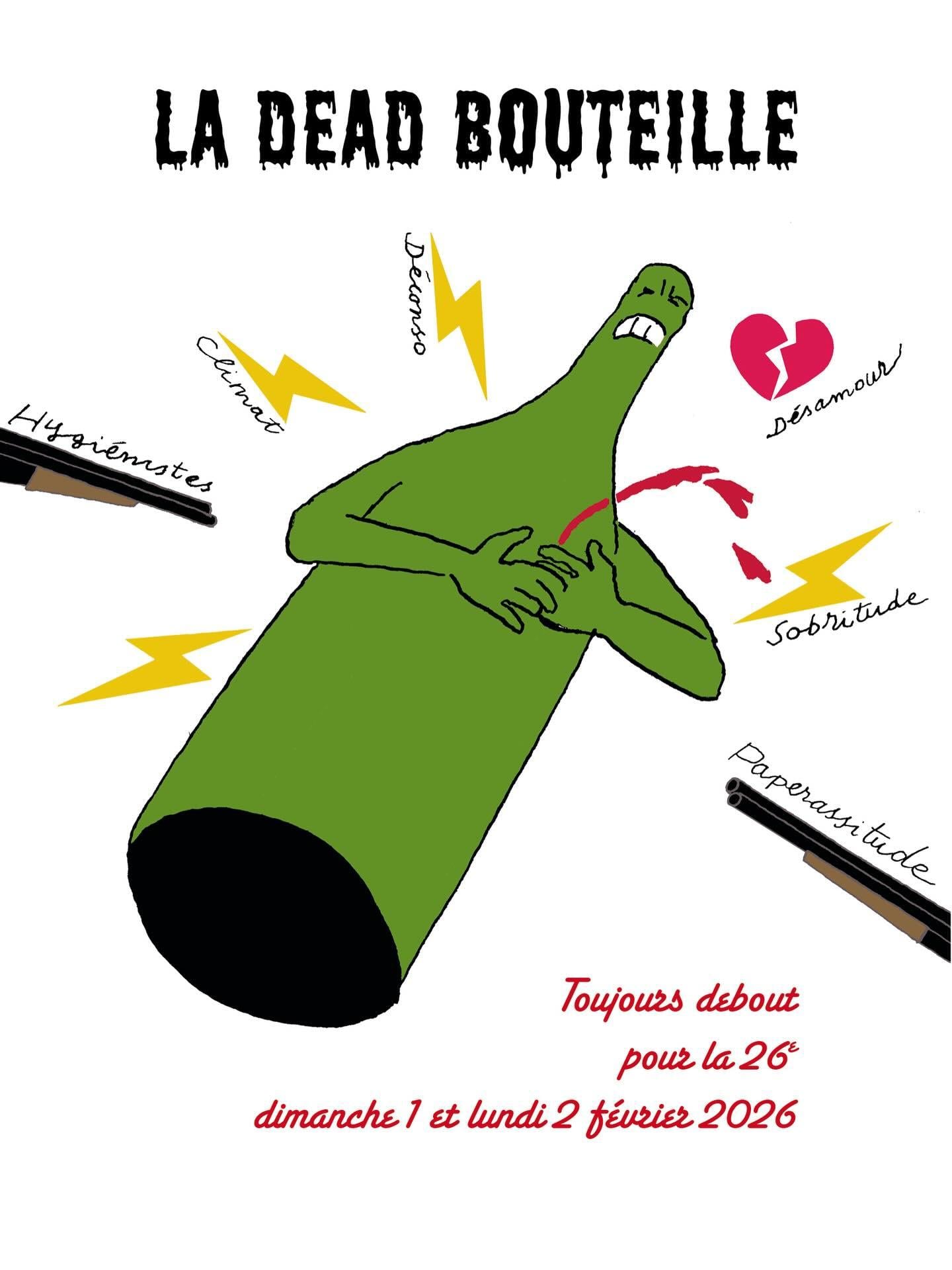
Sunday February 01 - Monday February 02
Saumur
6402 KM
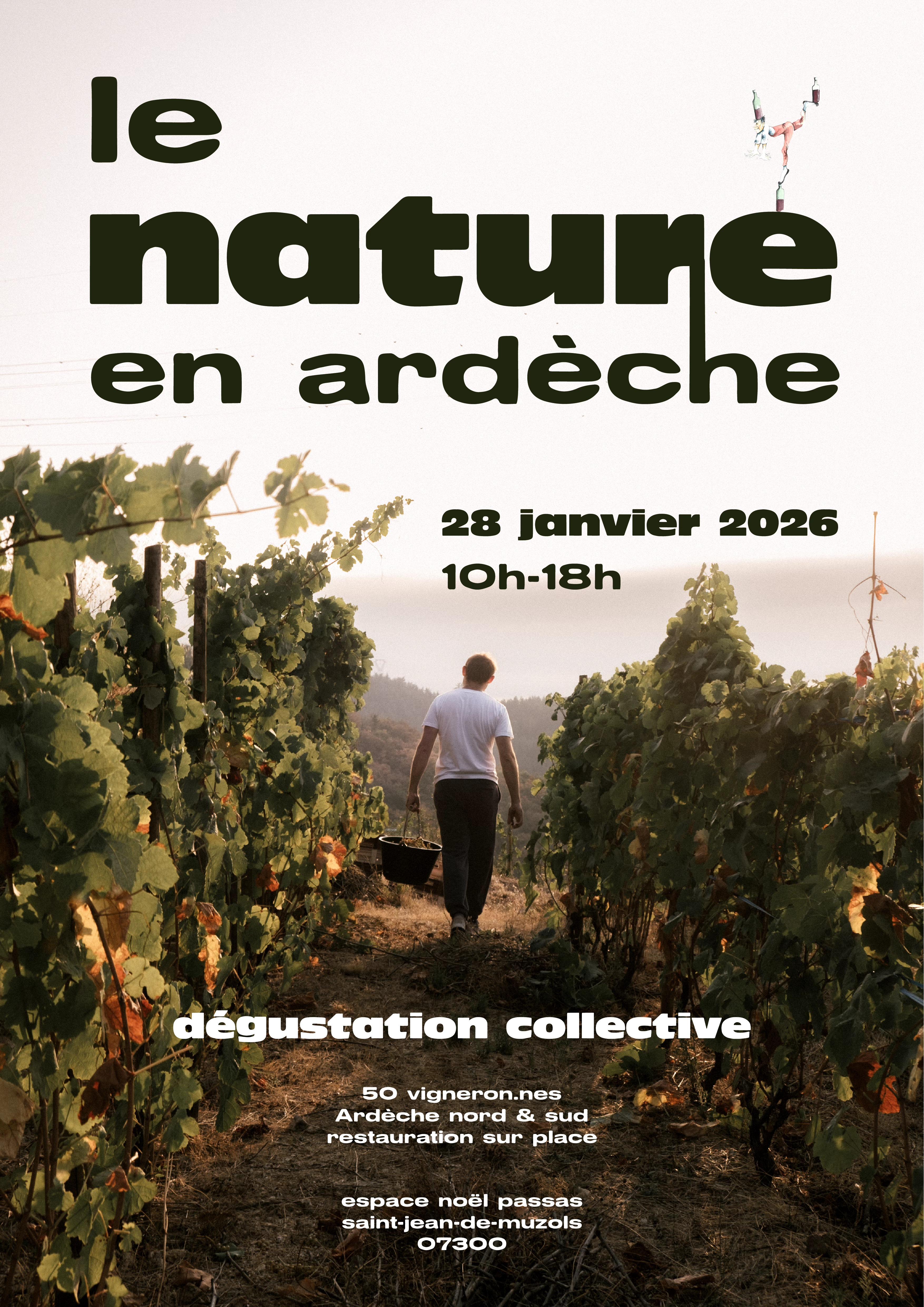
Wednesday January 28
Saint-Jean-de-Muzols
6851 KM
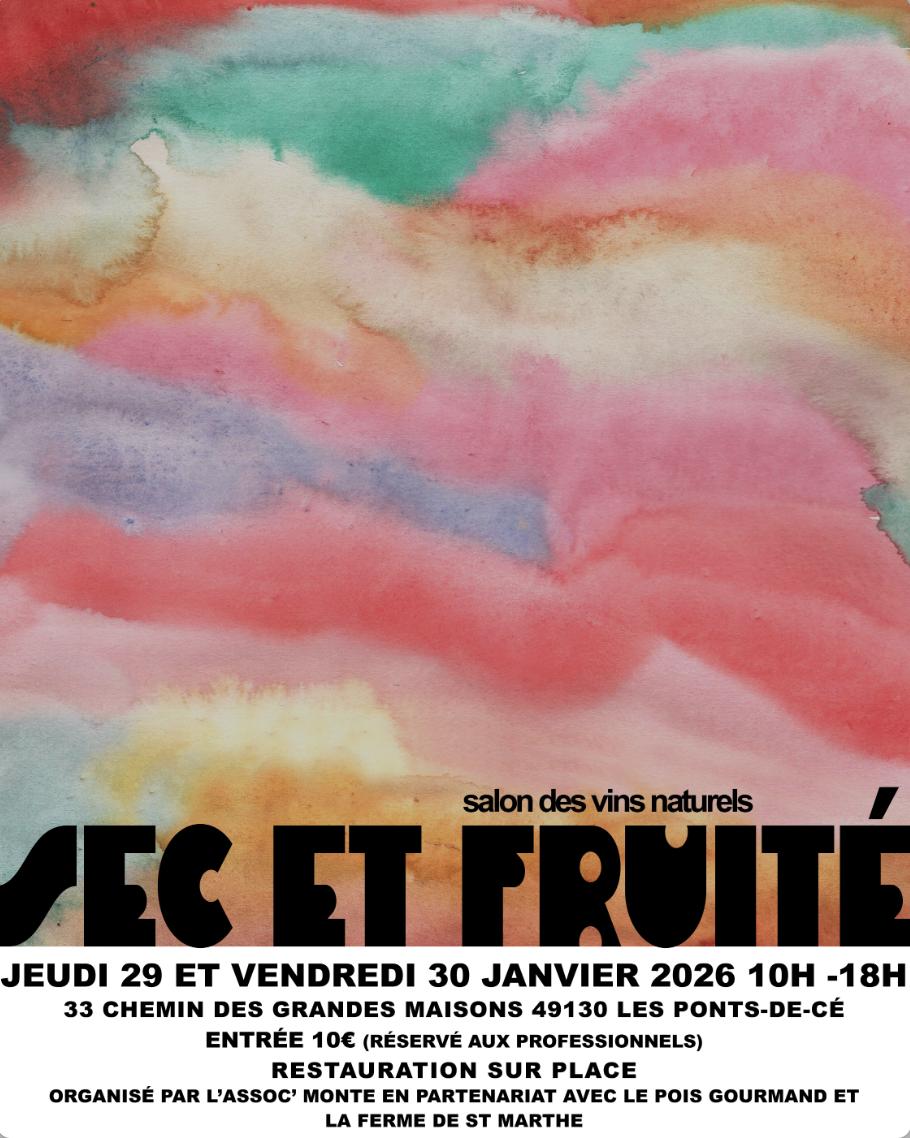
Thursday January 29 - Friday January 30
Les Ponts-de-Cé
6365 KM
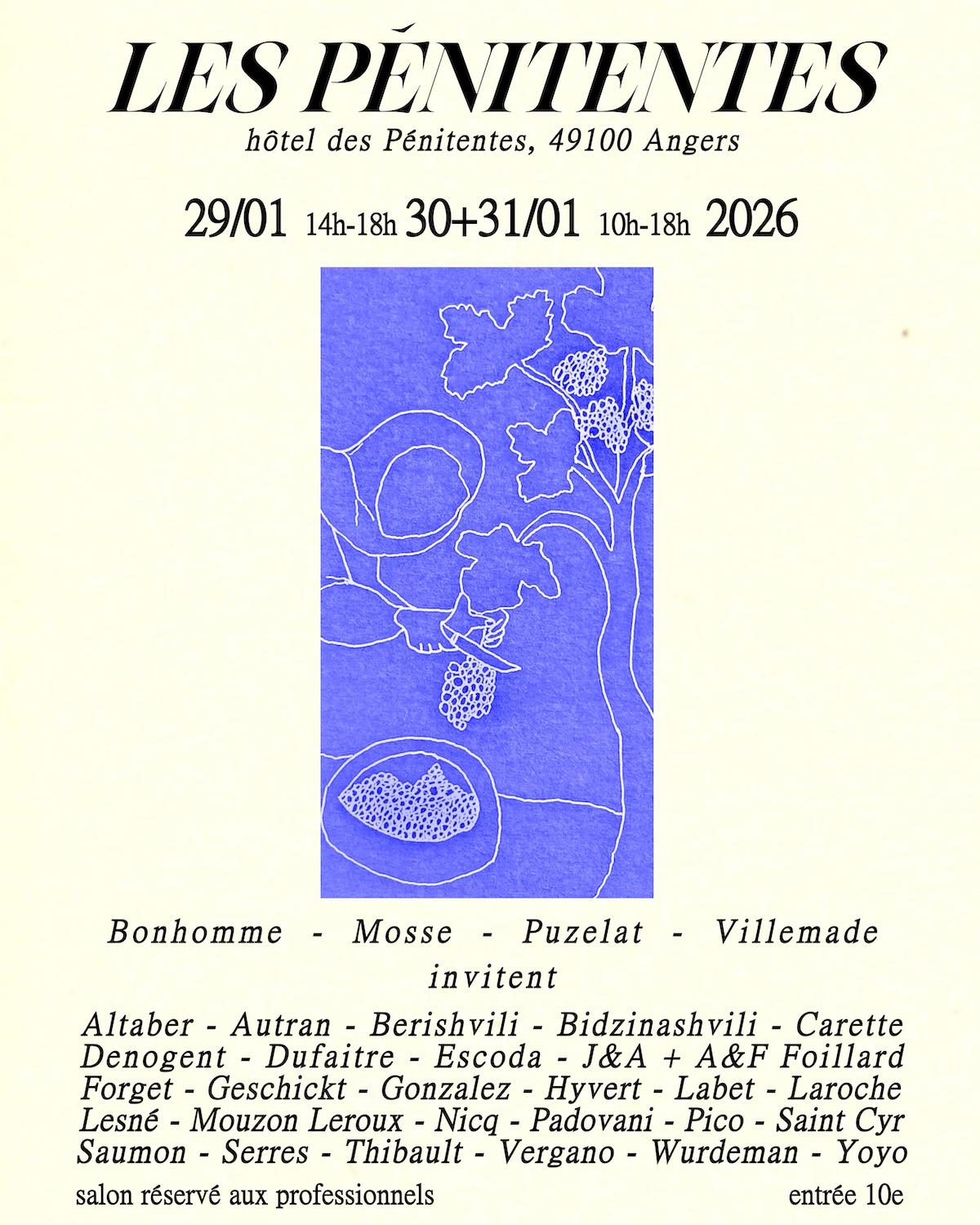
Thursday January 29 - Saturday January 31
Angers
6362 KM
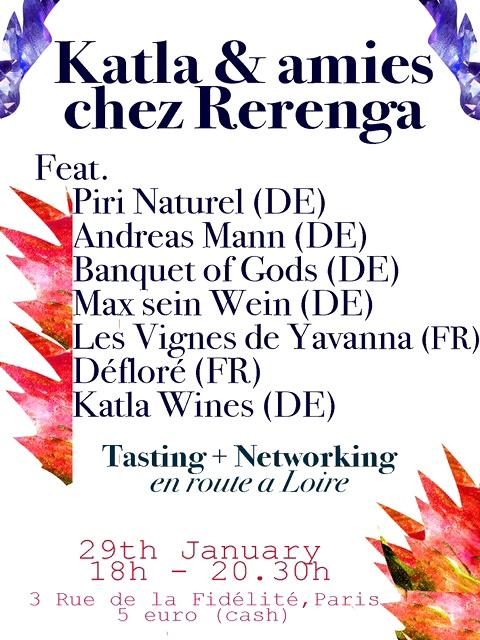
Thursday January 29
Paris
6489 KM

Thursday January 29
NiceFrance
7097 KM
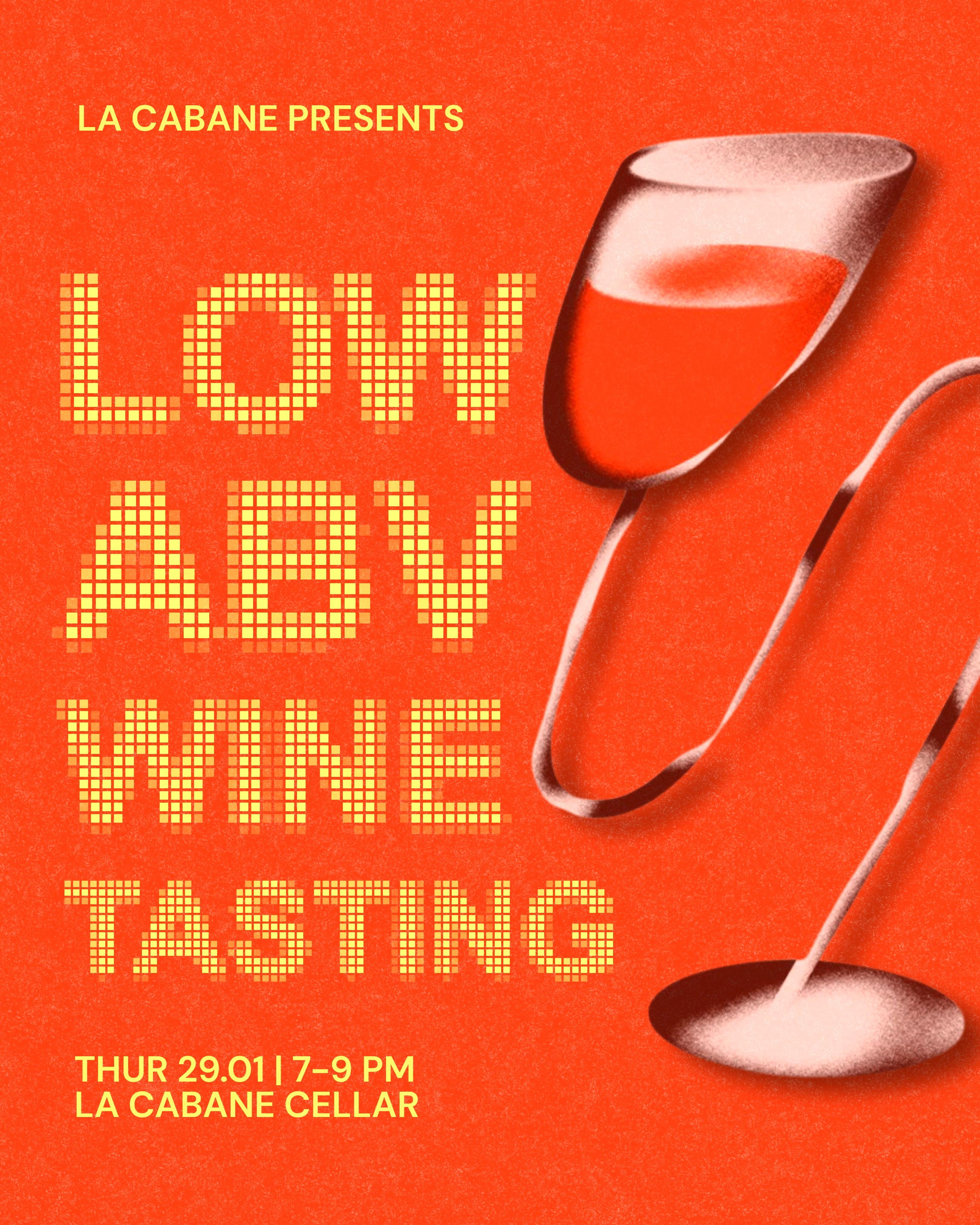
Thursday January 29
Hong KongChina
12869 KM
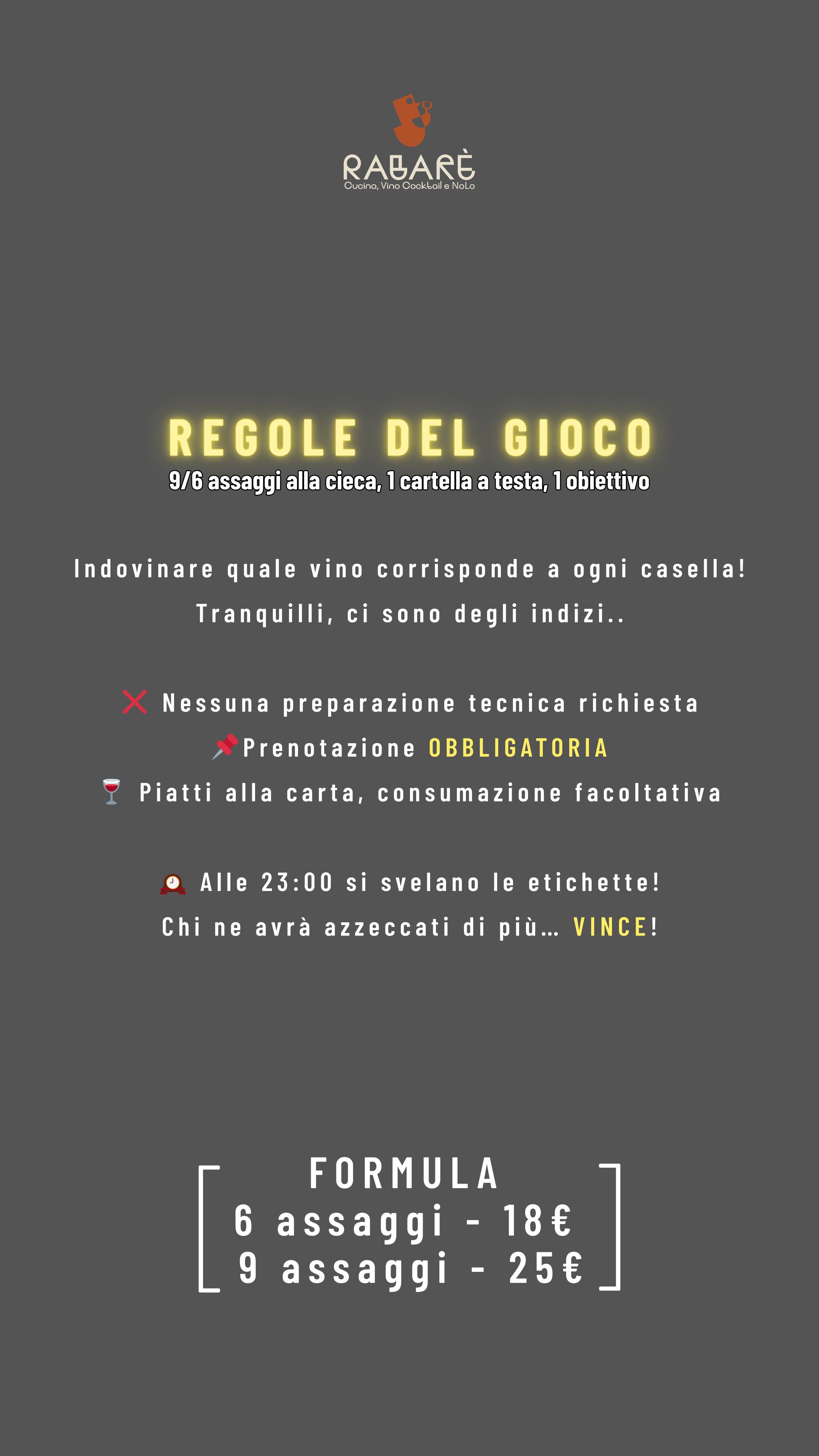
Thursday January 29
TurinItaly
7047 KM
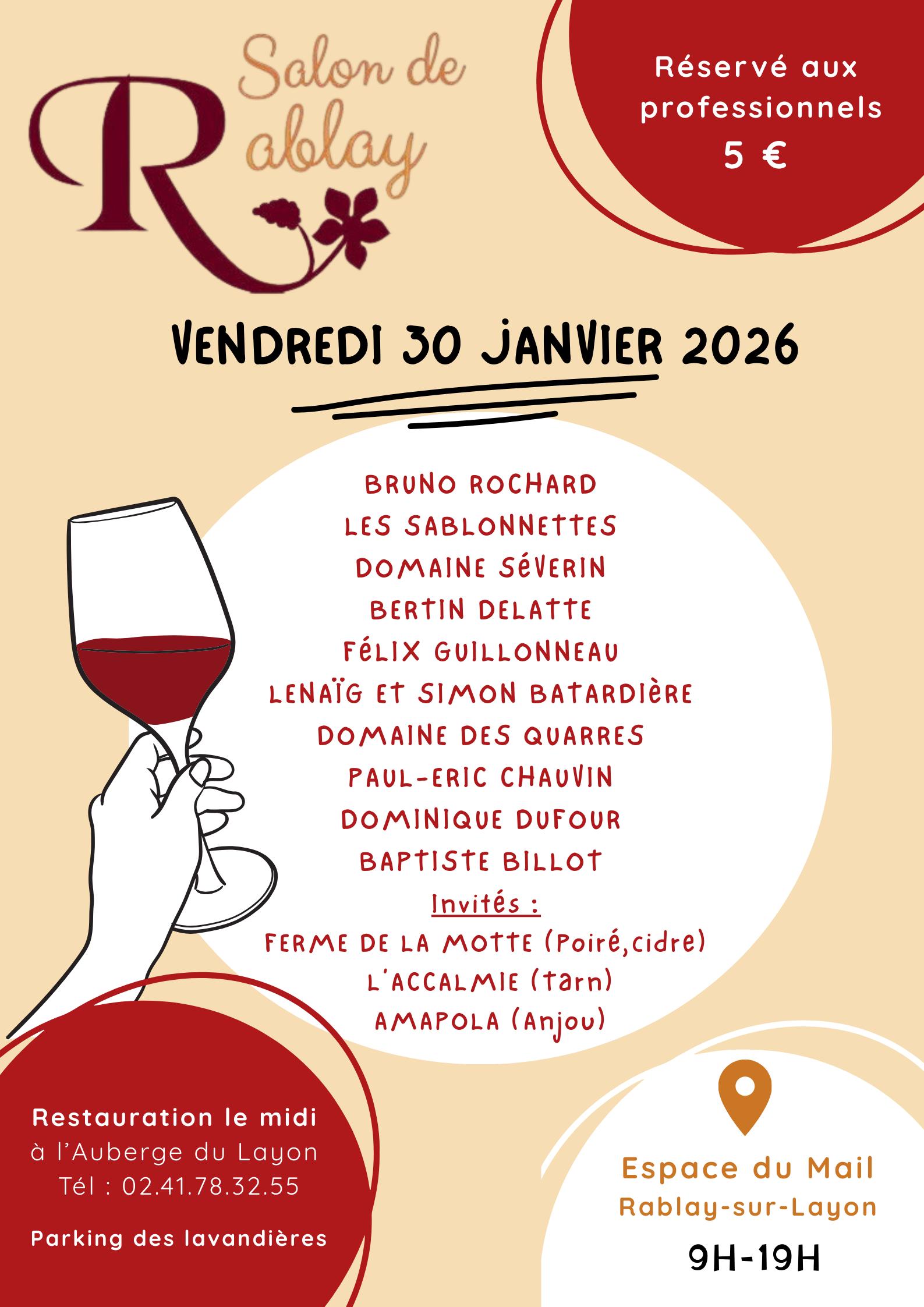
Friday January 30
Bellevigne-en-Layon
6369 KM
 Winemakers
 Restaurants
 Bars
Bars Wine Shops
 Accommodations
 Events